Installing solar panels is increasingly recognized as a crucial element of contemporary energy strategies, enabling both homes and businesses to cut down on energy expenses while lowering environmental impact. As the demand for renewable energy sources escalates, it’s important to grasp the fundamentals of solar technology. In this guide, you will find useful tips for choosing a solar energy provider that meets your requirements and financial considerations, facilitating an effortless shift to solar energy solutions at. Solar Energy Company cost.
Steps to Installing Solar Panels
- Assess Your Energy Needs: Determine your electricity consumption and how much of it you would like to offset with solar energy.
- Research Solar Energy Companies: Explore local and national companies, compare offerings, and seek reputable professionals.
- Request Quotes: Contact multiple solar energy companies for detailed quotes that outline specifications and costs involved in your installation.
- Review Financing Options: Evaluate various financing options such as solar loans, leases, and cash purchases to decide what suits your budget best.
- Schedule Site Assessments: Have potential contractors conduct on-site assessments to ascertain the best solar solution for your specific location.
- Finalize Your Contract: Examine all terms and conditions, and ensure clarity on warranties, installation schedules, and post-installation services before signing.
Why Consider Solar Panel Installation?
The decision to install solar panels goes beyond mere fashion; it serves as a long-lasting response to increasing energy costs and the need for environmental stewardship. Solar panels convert sunlight into usable electricity, offering a sustainable energy solution that can significantly cut down on utility expenses while fostering energy autonomy. A growing number of homeowners are seeing the important advantages of investing in solar energy, spurred on by attractive incentives at the state and local levels, including tax rebates and credits that alleviate some of the costs incurred during installation. While the initial expense of solar panel installation might appear daunting, the potential for significant savings, driven by continuous advancements in technology, can render this investment favorable over time.
Understanding the Costs Involved
When looking into costs for solar energy systems, it is essential to account for installation fees, equipment costs, and various financing solutions that may be available. The expense of solar panel installation can differ significantly depending on the size of the system, type of solar panels used, and geographic pricing variations. It is wise to consult with a credible solar company that can provide a customized estimate designed for your specific situation. Numerous companies also present financing options that enable homeowners to pay for their solar systems gradually over a number of years, broadening access to solar energy.
Choosing the Right Solar Energy Company
Selecting the best solar energy company requires careful consideration and research. Start by gathering referrals from friends or family who have their systems installed. Look for companies with positive customer reviews and an established reputation in the industry. It's essential to ensure that the company has experience in installing systems comparable to what you need. The best solar energy companies will be transparent about their qualifications, warranties, and any potential hidden costs. The choice of solar panels, inverters, and installation practices can affect system efficiency, so prioritize experts in these areas.
Why Professional Solar Installation Matters
Engaging professional solar installation services presents numerous benefits, particularly when it comes to achieving the best arrangement and positioning of your solar energy system. Skilled installers have the necessary knowledge to thoroughly review your property, factoring in the pitch of your roof, any potential shading from nearby trees or buildings, and the local climate's impact on solar efficiency. Their expertise ensures that your solar panels are installed correctly to maximize energy production. Additionally, professionals are adept in understanding and complying with local laws, obtaining permits, and adhering to utility requirements, all of which streamline the entire installation process. Without this professional insight, your DIY solar panel installation could hinder performance, so it's prudent to seek help from qualified solar energy specialists.
For a deeper dive into solar energy concepts, consider visiting the solar energy page on Wikipedia.
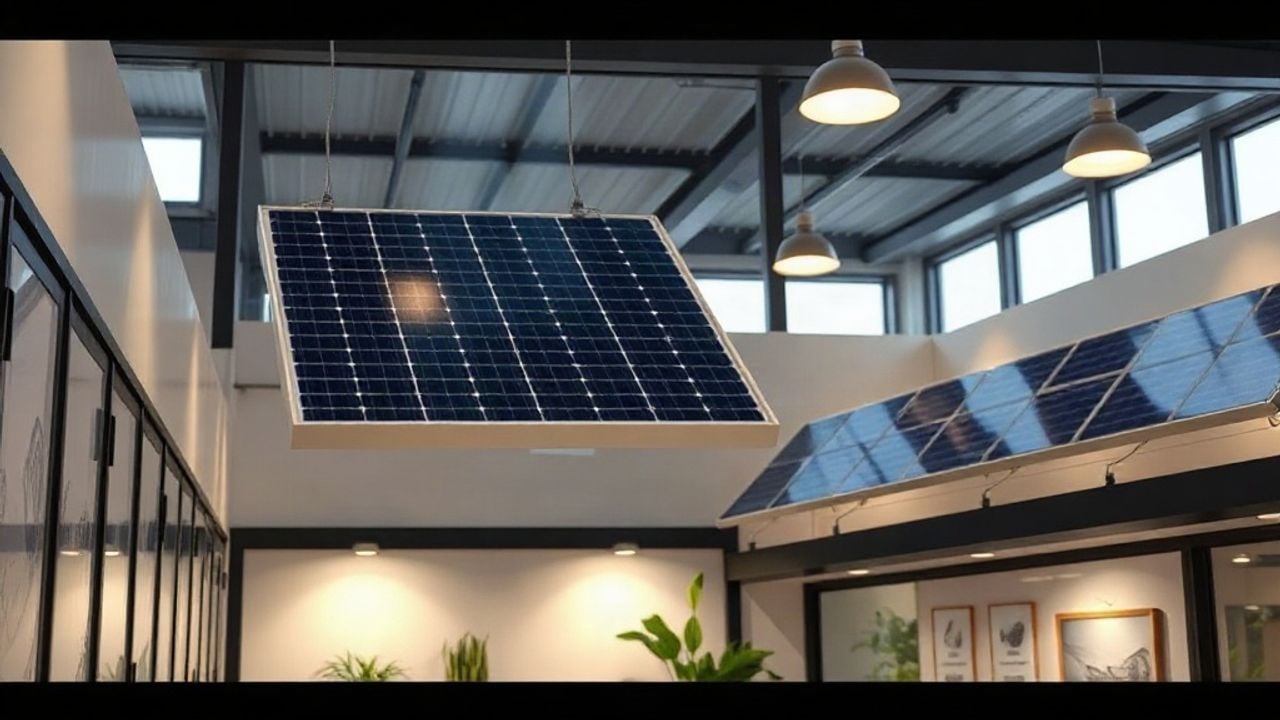 Solar Energy CompanySolar Panel Installation
Tips for a Successful Solar Project
Taking the time to research and choose wisely can transform your solar installation from a mere expense into a rewarding investment.
- Verify Certifications: Ensure your chosen solar energy company has the necessary certifications and licenses to perform installations in your area.
- Get Multiple Estimates: Don’t settle on the first quote; receive estimates from various professionals to compare prices and services.
- Ask About Warranties: Determine the warranty terms not just for panels but also for installation and any other equipment included.
- Investigate Local Incentives: Research any local or federal incentives that could help reduce your overall investment in solar energy.
- Monitor Energy Production: Post-installation, consider using monitoring tools to track your energy production and ensure your system operates efficiently.
Frequently asked questions
Which elements influence the cost of solar panel installation?
Costs associated with solar panel installation can be affected by multiple factors, including the overall size of the installation, the different types of solar panels utilized, labor expenses, and the availability of local incentives or rebates.
What should I look for when choosing a solar energy provider?
When selecting a solar energy company, it’s important to examine customer reviews, ask for personal referrals, verify their licensing status, and compare service offerings and pricing from various providers.
Are there various financing methods for solar installations?
Many solar companies provide diverse financing options, including loans, leases, or Power Purchase Agreements that can help make installations more economically feasible.
How much maintenance is needed for solar panels?
Generally, solar panels require very little upkeep; however, they should be inspected annually and kept clean from any debris or dirt to maintain optimal performance.
Do solar panels operate efficiently on cloudy days?
Yes, solar panels can still produce electricity when it’s cloudy, although they usually operate at a reduced efficiency compared to sunny weather conditions.
What is the expected lifespan of solar panels?
Most solar panels come with warranties that extend 25 to 30 years, and they often continue generating energy even after that time, albeit with a decrease in efficiency.
When pursuing Solar Panel Installation, focus on verifiable results, straightforward reporting, and whether the strategy corresponds to your sector and deadlines. Be cautious of vague assurances lacking a measurement framework.
Ask how advancement will be tracked, what is standard versus optional, and how a provider adapts strategies if their metrics hit a plateau. Having a written agreement before any payment is made ensures protection for both parties involved.
To wrap up, grasping the advantages and methods of solar panel installation is crucial for making educated choices. By thoroughly investigating and selecting an appropriate solar energy provider, you can reap both the financial and ecological rewards that solar power offers. Installing solar panels not only minimizes reliance on fossil fuels but also boosts your property's market value.
When assessing solar panel installation, pay attention to evidence of outcomes, transparency in reporting, and whether the strategy aligns with your specific market and timeline. Be cautious of vague assurances that lack a clear measurement plan.
Inquire about how progress is monitored, what services are included versus those that are optional, and how the company modifies strategies when performance falters. A detailed scope of work prior to payment benefits both parties involved.